Let’s face it: Marketing used to be about selling an idealized, often homogenized, vision. Today, that approach doesn’t just fall flat—it actively damages your brand. In the transparent, highly connected digital landscape of 2026, authenticity and genuine representation are non-negotiable pillars of a conversion-focused strategy.
Your audience—from savvy entrepreneurs to corporate marketing reps—demands to see themselves reflected truthfully in your content. They want to connect with brands that understand the real, diverse world they live in. This isn’t just about ethics; it’s about smart marketing that builds trust and expands your addressable market.
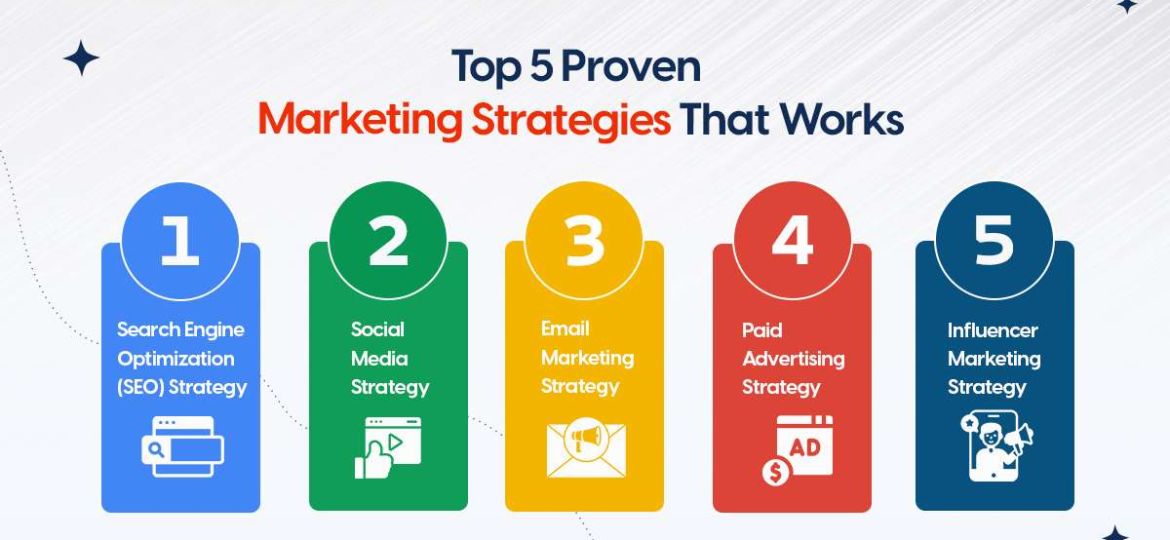
At NiCREST, we build digital identities that resonate and convert because they are rooted in reality. Here are five proven strategies for powerful, authentic representation in your marketing.
1. From Tokenism to Deep Authenticity
The worst mistake is using diverse imagery without genuine commitment. Audiences can spot tokenism immediately, and it erodes trust faster than a slow loading page.
- The Content Principle: Ensure diversity is reflected not just in your hero images, but in your storytelling, testimonials, and case studies. Highlight the specific challenges and successes of diverse founders, business owners, and employees.
- The Consumer Perspective: Modern consumers value brands that take action and stand for something. Your representation must reflect your internal business practices, hiring policies, and community engagement. If your marketing says one thing, but your company culture says another, the disconnect will be weaponized online.
2. Leverage the Voice of Customer (VoC) Data
The most powerful form of representation comes directly from your audience. Stop guessing what “relatable” looks like; use data to hear the genuine voice of your customer.
- Mining Reviews and Feedback: Use AI-powered sentiment analysis on customer reviews, social media comments, and long-form feedback to understand the specific language, values, and cultural references your diverse segments use.
- Actionable Content: This VoC data is gold for content creation. Instead of writing generic ad copy, use the authentic, unfiltered phrases and pain points shared by a specific represented group. This instantly makes your content feel more targeted and emotionally engaging.
- First-Party Data for Personalization: Use ethically sourced first-party data to understand which specific images, colors, or language resonates best with certain groups, allowing for highly relevant, targeted personalization in your advertising (without relying on outdated third-party cookies).
3. UX/UI: Designing for Universal Inclusion
Representation isn’t just visual; it’s operational. Your website’s design and functionality must actively serve a diverse audience.
- Digital Accessibility: Ensure your website adheres strictly to WCAG (Web Content Accessibility Guidelines) standards. This means clear color contrast, keyboard navigation, and proper alt text for all images. If a customer with a visual impairment can’t properly use your site, your representation efforts are superficial.
- Language and Cultural Nuance: For brands with a global reach or diverse local market, the translation and localization of your content must go beyond simple machine translation. Cultural nuance in imagery, layout, and copy is essential to avoid missteps and show genuine respect.
4. Partnerships and Link Building: Extending the Circle of Trust
In the digital world, authority is built through association. Strategic partnerships prove your commitment to representation extends beyond your own echo chamber.
- Collaborative Content: Partner with diverse creators and micro-influencers who genuinely serve the represented communities you are trying to reach. Their authentic voice and existing trust network are far more valuable than a high-cost celebrity endorsement.
- Link Building for Authority: Actively seek opportunities to earn backlinks or be cited by high-authority publications and organizations focused on diversity, equity, and inclusion (DEI). Links from these sources boost your E-E-A-T and demonstrate a serious, verifiable commitment.
5. Iterative Testing and AI Automation for Ethical Feedback
Representation is not a “set-it-and-forget-it” task. It requires continuous, data-informed monitoring and adjustment.
- Monitor Sentiment: Use AI automation to constantly monitor social media and review platforms for shifts in sentiment specifically related to your represented campaigns. Be ready to pivot immediately if a campaign misses the mark or is perceived as inauthentic.
- Test and Learn: Use A/B testing not just for CTAs, but for imagery and language to measure which types of representation genuinely drive higher engagement and conversion within specific, diverse segments. The goal is to learn from the data, not rely on internal assumptions.
The power of representation lies in its ability to build genuine human connection. When your marketing reflects the real world, you build a foundation of trust that is resilient and highly profitable.
[Call-to-Action]
Ready to move past generic marketing and build a digital identity rooted in authentic representation and data-driven strategy? Contact NiCREST today for a complimentary consulting session and let us help you create a web presence that connects, converts, and reflects the true diversity of your audience.