The internet has changed, and so has Google Ads. Today, it’s less about following a step-by-step checklist and more about providing a clear strategy and the highest-quality assets to Google’s AI. Think of AI not as a competitor, but as your new, hyper-efficient, 24/7 campaign manager.
At NiCREST, we believe success in modern web marketing is about understanding where human expertise ends and AI automation begins. Ready to ditch the old playbook? Let’s dive into the updated strategy for creating Google Ads campaigns that actually convert in the age of AI, personalization, and relentless competition.
Step 1: The Human Element – Strategy & Clarity (The Anti-AI Step)
Before you touch the Google Ads interface, you need to nail the essentials that no AI can replicate: your brand clarity and your goals.
- Define Your Conversion (The “Why”): What’s the one thing you want people to do? Don’t say “get leads.” Say “Get a complimentary 15-minute consultation booking” or “Complete a purchase of the new Deluxe Widget.” Your entire campaign lives and dies by this single, measurable action.
- Audit Your Landing Page (The UX Check): The best ad in the world is useless if the landing page is slow, confusing, or looks terrible on a phone. In 2026, mobile-first and Core Web Vitals are non-negotiable for a high Quality Score. Is your design minimalist, accessible, and does it guide the user toward the conversion with zero friction? If not, you’re paying for clicks that will simply bounce.
- The Intent-Driven Keyword: Stop aiming for volume with broad, vague keywords. Focus on intent with long-tail, conversational phrases. With the rise of conversational search (and AI Overviews potentially giving away zero-click answers), you need to target users who are ready to transact.
- Old Focus: “Web Design Services”
- New Focus: “web expert for small business website conversion audit”
Step 2: Embrace the Automation Revolution
This is where the game fundamentally shifts. Your job is now to feed the AI (Google’s Smart Bidding, Performance Max, etc.) the best ingredients, then trust it to bake the perfect result.
The AI-Powered Campaign Types
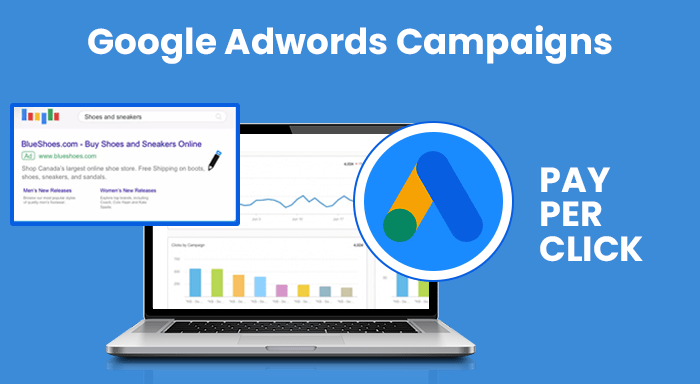
- Ditch the Manual Bidding: If you’re still manually adjusting bids, you’re losing. Adopt Smart Bidding strategies like Maximize Conversions or Target ROAS (Return on Ad Spend). You set the goal ($50 Cost Per Acquisition? 400% ROAS?), and Google’s machine learning adjusts bids in real-time for every single auction—a task a human could never manage.
- Master Performance Max (PMax): PMax is Google’s ultimate automation tool. Instead of targeting one channel (like Search), it uses AI to show your ads across Search, Display, YouTube, Gmail, and Discover—finding the customer where they are.
- Your Job: Provide diverse, high-quality “Asset Groups” (15 headlines, 4 descriptions, 5+ high-res images, 5+ videos). The AI will auto-test thousands of combinations to create the perfect ad for each user.
Content: From Static Copy to Responsive Assets
- Responsive Search Ads (RSAs) are King: Expanded Text Ads are gone. You must provide a diverse mix of headlines and descriptions for an RSA. Use this as your opportunity to be witty and emotionally engaging—showcase different value propositions, pricing angles, and benefits in your assets.
- Tip: Pin your most critical headline (e.g., your brand name or a key compliance point) to the top position, but leave the rest un-pinned for the AI to optimize.
Step 3: Post-Launch Intelligence – The Feedback Loop
The “set it and forget it” approach will bankrupt you. Automation needs guidance. Once your campaign is live, you become the strategist, making informed, high-level decisions based on data.
- Feed the Beast with First-Party Data: The phase-out of third-party cookies is here. Your most valuable asset is the data you own. Implement Enhanced Conversions to send more accurate, privacy-compliant conversion data back to Google. This is the fuel for Smart Bidding and Performance Max.
- Relentlessly Manage Negative Keywords: This is your primary human control. The AI can get a little too enthusiastic. Check the Search Terms Report daily or weekly. Are you showing up for “free web design course”? Add “free,” “course,” and “cheap” to your negative keyword list immediately. This prevents budget waste and guides the AI toward higher-quality traffic.
- Analyze the Creative: Use the Asset Report to see which headlines and descriptions the AI rates as “Best.” Double down on those themes in your future content, web copy, and even organic social media posts. The campaign is now an always-on market research tool.
The NiCREST Bottom Line: Authority Meets Automation
The reality of digital marketing today is that effort is no longer the metric for success—intelligence is. We’ve moved past simple click-through rates. The new KPIs are Conversion Rate, Return on Ad Spend (ROAS), and Customer Lifetime Value (CLV).
If your business website feels like an outdated brochure and your ads are relying on 2018 tactics, you are leaving money on the table and sacrificing authority. The digital landscape demands authenticity, speed, and a strategic embrace of AI to connect with an audience that demands instant relevance.
Ready to stop spending and start investing in a digital presence that truly converts?
Complimentary Digital Strategy Consultation from NiCREST
Feeling overwhelmed by the speed of change, or just suspect your website isn’t working as hard as it should?
Let’s cut through the noise together. I invite you to reach out to me and the expert team at NiCREST for a complimentary, no-obligation consulting session on upgrading your digital presence. We’ll audit your current web ecosystem and show you exactly where modern UX/UI, strategic content, and AI automation can take your business from surviving to thriving.