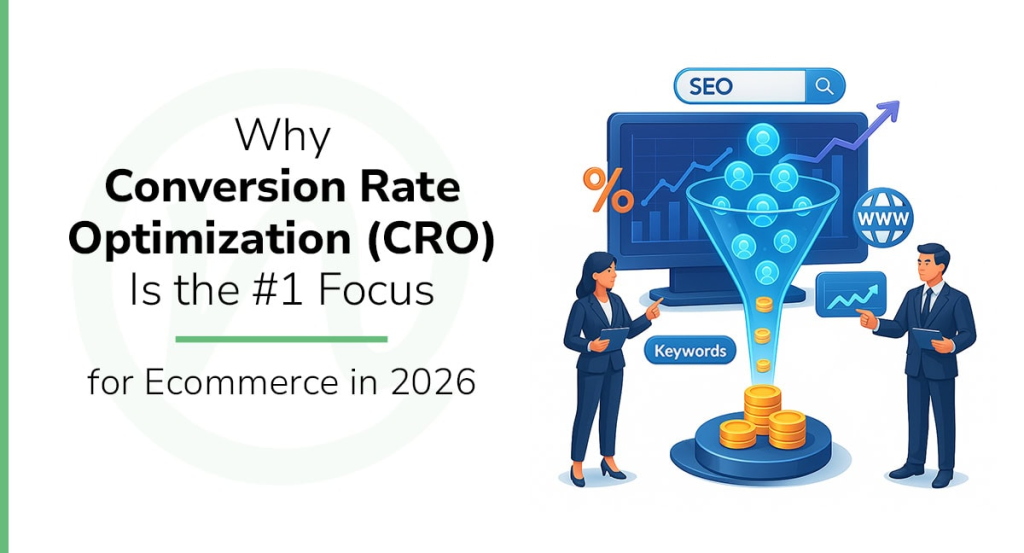
In 2026, the game of Conversion Rate Optimization (CRO) has moved far beyond “tweaking button colors.” We’ve officially entered the era of Agentic UX and Privacy-First Personalization.
As a web expert who has watched the digital landscape shift from static pages to living, breathing ecosystems, I’ve updated this guide to ensure your business isn’t just “keeping up” but actively leading.
Here are the 15 high-impact strategies that define CRO success in 2026.
The AI & Automation Frontier
1. Agentic UX: The “Self-Driving” Interface
Traditional websites wait for users to click. In 2026, Agentic UX takes the initiative. AI agents now predict intent in real-time—if a user hesitates on a pricing plan, the interface doesn’t just show a popup; it dynamically adjusts the layout to highlight the specific features that address their likely concerns.
2. Predictive “Pathing”
Stop making users hunt for what they need. Use predictive analytics to create “one-click” journeys. If your data shows a user is likely a “Returner looking for Support,” your homepage should morph to put the Help Center front and center for that specific session.
3. Generative Visuals for Real-Time Context
Static hero images are a relic. Modern CRO utilizes Generative AI to swap visuals based on the visitor’s local weather, time of day, or industry. A construction lead sees a different hero image than a healthcare executive—automatically.
Data & Privacy (The Trust Economy)
4. Zero-Party Data Quizzes
With third-party cookies long gone, Zero-Party Data (data users willingly give you) is your best friend. Interactive quizzes that help users “find their perfect fit” are conversion magnets because they provide value in exchange for information.
5. Transparency as a Conversion Trigger
In 2026, “Privacy Policies” aren’t just for lawyers; they are for sales. Clearly showing how you protect data and why you need it builds a “Trust Dividend.” Brands that are transparent about their AI usage see a significant lift in checkout completions.
6. Ethical Scarcity
The era of “fake” countdown timers is over—consumers are too savvy for that now. Use Real-Time Inventory Syncing to show actual stock levels. Honesty creates urgency that doesn’t feel like a “dark pattern.”
Modern Design & UX Best Practices
7. “Calm Design” vs. Over-stimulation
The digital world is noisy. Websites that win in 2026 prioritize Calm Design—generous white space, muted tones, and simplified navigation. Reducing cognitive load is the fastest way to increase conversion.
8. Micro-Interactions that Reassure
A button shouldn’t just be a button. It should provide haptic or visual feedback that says, “I heard you.” Subtle animations during form submissions or “added to cart” actions reduce “click anxiety.”
9. Voice & Conversational Search Optimization
Users are increasingly “talking” to their devices. Ensure your landing page content is optimized for how people speak, not just how they type. This is crucial for capturing the high-intent traffic coming from AI assistants like Siri or Gemini.
Psychological Triggers for the 2026 Mindset
10. The “Endowed Progress” Effect
Gamify your funnels. Show users they are already “25% of the way there” just by clicking a link. Humans hate leaving tasks unfinished; use progress bars to nudge them toward the finish line.
11. Social Proof 2.0 (Video Testimonials)
Text reviews are easily faked. Authentic, short-form video testimonials from real customers are the gold standard for social proof today. They humanize your brand and bypass the “AI skepticism” of modern buyers.
12. Hyper-Localized Personalization
“Personalization” isn’t just using someone’s name. It’s knowing their local currency, shipping times to their specific zip code, and regional preferences. If you aren’t localizing the experience, you’re losing the lead.
The Technical Foundations
13. Core Web Vitals (The Need for Speed)
In 2026, a 2-second load time is considered “slow.” Conversion rates drop by nearly 10% for every additional second of delay. Optimization isn’t a one-time task; it’s a constant battle for millisecond gains.
14. Accessibility as a Default
CRO isn’t just about your “average” user—it’s about every user. High-contrast modes, screen-reader-friendly layouts, and keyboard navigation aren’t just “nice to haves”; they expand your conversion pool by reaching a wider, more diverse audience.
15. The “Continuous Experimentation” Loop
The “A/B test” has evolved into Continuous Multivariate Testing. Using AI, you should be testing hundreds of small variations simultaneously. At NiCREST, we believe if you aren’t testing, you’re guessing.
Ready to Elevate Your Digital Identity?
The difference between a website that “exists” and a website that “converts” is a mix of cutting-edge tech and timeless human psychology. If your current digital presence feels like it’s stuck in 2022, you’re leaving money on the table.
My team at NiCREST lives and breathes these trends. We don’t just build websites; we build conversion engines that grow with your business.