

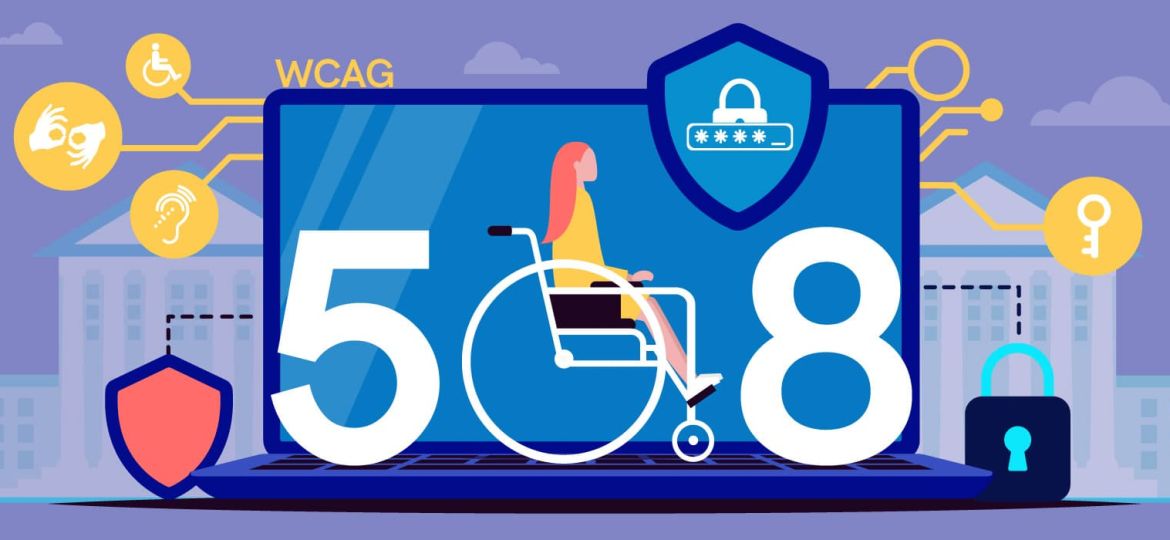

Let’s face it: If your website is not accessible to everyone, you’re not just failing a technical check; you’re failing a fundamental business requirement and missing out on a massive audience. Digital accessibility—the practice of ensuring people with disabilities can perceive, understand, navigate, and interact with your website—is no longer a niche concern.
In 2026, accessibility is a non-negotiable part of excellent UX/UI design, technical SEO, and legal compliance. Ignoring it is a recipe for user frustration, penalized search rankings, and, increasingly, costly litigation under standards like the Americans with Disabilities Act (ADA) and Section 508 of the Rehabilitation Act.
At NiCREST, we believe a stronger digital identity is an inclusive one. Automated compliance services are the indispensable tool that allows even small businesses to keep pace with complex, evolving accessibility standards.
1. The Cost of Ignoring Accessibility
Thinking accessibility is too expensive or too time-consuming? Consider the costs of non-compliance:
- Legal Exposure: Lawsuits related to website accessibility have surged. Non-compliance with standards like WCAG (Web Content Accessibility Guidelines) makes your business a target, regardless of size. Automated services help you stay ahead of the curve, mitigating risk.
- Massive Audience Loss: Approximately one billion people worldwide have some form of disability. By failing to ensure compatibility with screen readers, keyboard navigation, or visual aids, you are knowingly turning away up to 20% of the market.
- Poor SEO and UX: Google views accessibility as a key component of technical quality. Unlabeled images, poor color contrast, and lack of alt text negatively impact Core Web Vitals and overall search rankings. Good accessibility is simply good UX.
2. The Role of Automated Compliance Services
Manual accessibility testing is tedious, costly, and often incomplete. Automated tools are the necessary co-pilot for your development and content creation teams.
A. Continuous Monitoring and Auditing
Accessibility standards (WCAG 2.1, 2.2) are complex and technical. Automated services instantly scan your entire website, identifying thousands of potential violations across various levels (A, AA, AAA).
- Speed: They can audit hundreds of pages in minutes, a process that would take human testers weeks.
- Proactive Alerts: They integrate directly into your development workflow, providing real-time alerts when new content or code deployments introduce accessibility barriers.
B. The “Low-Hanging Fruit” Fixes (AI Automation)
Automated services use AI automation to fix many common, recurring issues without requiring extensive manual coding:
- Alt Text Generation: Providing descriptive text for images (crucial for screen readers and SEO).
- Contrast Adjustments: Analyzing and sometimes adjusting color palettes to meet minimum contrast ratios for visually impaired users.
- ARIA Attribute Insertion: Adding necessary code attributes (Accessible Rich Internet Applications) to ensure interactive elements (like custom dropdown menus or tabs) are properly labeled for assistive technology.
C. Simplifying Complex Standards
Automated services translate highly technical requirements into clear, actionable development tasks. They serve as an immediate reference for meeting the legal demands of ADA (primarily covering public-facing digital spaces in the U.S.) and Section 508 (federal government technology standards), ensuring you meet the required benchmarks.
3. Accessibility as a Modern UX/UI Principle
The ultimate goal isn’t just to be compliant; it’s to create a universally enjoyable experience. Good accessibility inherently leads to better design and content.
- Clearer Content: Writing clear, concise language (a WCAG requirement) naturally improves readability for everyone.
- Better Navigation: Logical, predictable keyboard navigation (required for motor-impaired users) benefits all users by making the site intuitive and easy to use, especially on mobile devices.
- Robust Code: Code built with accessibility in mind is cleaner, more semantic, and less prone to technical errors, improving overall site performance (a win for Core Web Vitals).
In a world where digital presence is the core of your business, choosing to exclude users based on ability is a critical strategic failure. Automated tools provide the safety net and the efficiency required to make your digital space truly open to all.
Is your website legally vulnerable and turning away customers due to accessibility issues? Don’t risk costly litigation or missed conversions. Contact NiCREST today for a complimentary consulting session and let us implement an automated compliance solution to upgrade your digital presence to meet modern ADA and WCAG standards.
