In the fast-moving world of 2026, a marketing budget isn’t just a spreadsheet of expenses; it’s a strategic manifesto. If you are still treating your budget proposal like a grocery list, you aren’t just losing money—you’re losing ground to competitors who view every dollar as a data point.
Modern marketing has moved beyond “guessing and checking.” We are in the era of hyper-personalization, AI-driven workflows, and privacy-first tracking. Your proposal needs to prove that you aren’t just spending the company’s capital, but actively investing in its future-proof infrastructure.
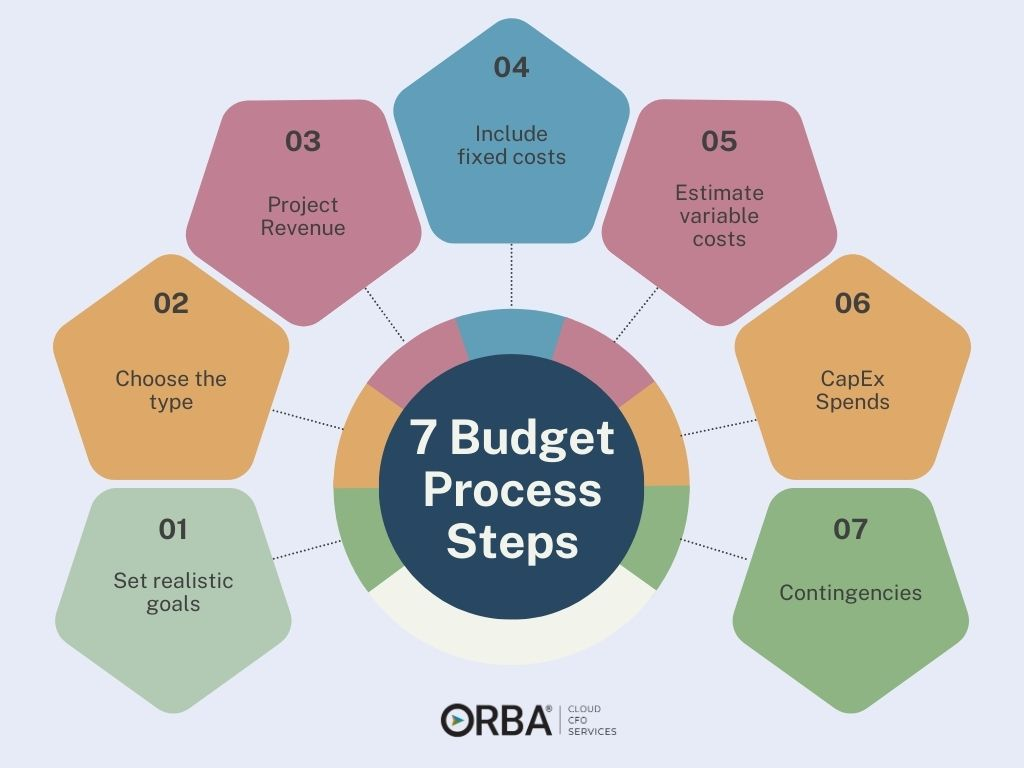
Here are seven steps to crafting a marketing budget proposal that commands respect and secures approval.
1. Audit the Ghost of Campaigns Past
Before you ask for a single cent for the upcoming quarter, you must account for the previous one. In an age of high-velocity data, vague claims like “brand awareness is up” feel like relics of the 90s.
Use hard data to show where the ROI lived and where it died. Stakeholders respect a marketer who can admit a specific channel underperformed and explain why it’s being cut or optimized. Transparency is the bedrock of authority.
2. Anchor Every Dollar to a “North Star” Metric
A budget proposal fails when it feels like a collection of “nice-to-haves.” To win, every line item must be a direct response to a high-level business objective.
- Objective: Increase customer retention by 15%.
- Budget Item: Implementation of an AI-driven loyalty automation sequence.
- The Result: You aren’t “buying software”; you’re securing recurring revenue.
3. The “AI-Efficiency” Clause
In 2026, manual labor for repetitive tasks is a budget leak. Your proposal should highlight how you are leveraging AI automation to do more with less. Whether it’s using generative tools for rapid content scaling or predictive analytics for ad spend, show that your strategy is built for speed. Efficiency isn’t just a bonus anymore—it’s the expectation.
4. Categorize by Impact, Not Department
Traditional silos (Social Media, Email, SEO) are blurring. Instead, organize your budget by the Customer Journey:
- Awareness: (Top-of-funnel content, influencer partnerships, SEO).
- Engagement: (Community management, interactive UX tools).
- Conversion: (Landing page optimization, high-intent PPC).
- Retention: (Email automation, CRM integration).
5. Account for the “Privacy Tax”
With the total evolution of privacy laws and the death of traditional tracking, reaching your audience costs more than it used to. A modern budget must include investments in First-Party Data strategies. Explain that building your own ecosystem—through newsletters, gated content, and direct community engagement—is a defensive play against shifting tech giants.
6. The 70/20/10 Rule for Experimentation
Don’t present a stagnant plan. Prove you are trend-aware by allocating your spend strategically:
- 70% on proven, high-performing “bread and butter” tactics.
- 20% on scaling emerging channels that showed promise last quarter.
- 10% on “Moonshots”—experimental tech or platforms (like VR commerce or new AI search engines). This shows you are a leader, not a follower.
7. Visualize the Win
Numbers are the skeleton, but the vision is the soul. A budget proposal should include a brief “future-state” section. Use high-fidelity mockups or UX wireframes to show exactly what the user experience will look like once these funds are deployed. Make the board see the growth before it happens.
Stop Budgeting for Yesterday
The difference between a “cost center” and a “growth engine” is strategy. If your current digital presence feels like a relic or your marketing spend isn’t moving the needle, it might be time for a structural rethink.
At NiCREST, we specialize in turning complex digital strategies into high-converting realities. Whether you’re a small business ready to scale or a corporate team needing an expert edge, we’re here to sharpen your vision.
Ready to upgrade your digital identity? [Connect with the NiCREST team today] for a complimentary consulting session, and let’s build a roadmap that actually converts.